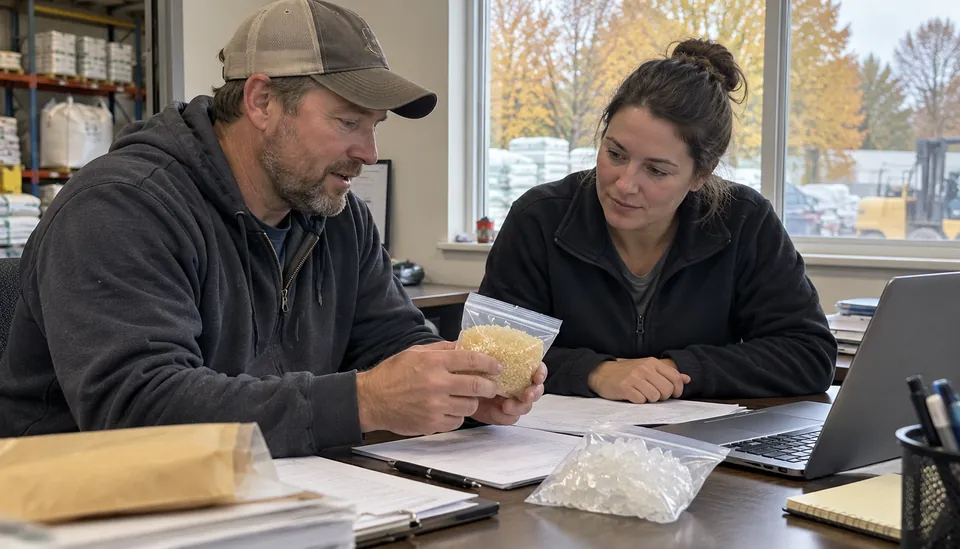
For spring agricultural SAP stock, distributors should work backwards from the required local warehouse arrival date, allowing for sample approval, packaging, production, freight, clearance and dealer preparation. Confirm the potassium-based water-retaining polymer grade, quantity, destination documents and each milestone with the responsible parties. Use the local planting season and agreed durations, rather than treating a general lead-time estimate as a delivery commitment.
Start with the destination's selling and planting windows
List the crops, regions and customer groups the stock will serve. Record when dealers need samples, when growers choose inputs, and the last acceptable arrival date at each warehouse. Autumn purchasing may suit a Northern Hemisphere spring programme, but the same month does not fit Southern Hemisphere seasons or every local planting window.
Settle the product and local-market requirements
Agree the grade, particle range, quantity, pack weight and intended application before fixing the shipment. For private-label supply, include artwork, language, marking and approval responsibilities. Check destination-market requirements early and identify which documents are needed before sale or import. Record a named owner and an agreed completion date for each item.
Build the schedule from confirmed steps
The planning chain is specification and sample approval, production and inspection, freight and clearance, then warehouse receipt and dealer allocation. Some steps can overlap; others depend on an approval being complete. Ask the supplier and forwarder for current dates and separate confirmed bookings from estimates. Add an explicit contingency allowance for the route and season instead of treating a general three-to-five-month figure as an order promise.
A useful worksheet records each milestone, its owner, the evidence of completion, the latest finish date and the action if it slips. Calculate the order decision date from the required warehouse date, subtracting the agreed durations for dependent steps and the contingency. Update the schedule when specifications, routing or documentation change.
Price the programme, not just the bag
Compare the quoted product, packaging, inspection, freight, insurance where applicable, destination charges, clearance and inland delivery on the same trade-term basis. Include financing, warehouse handling and the risk of stock remaining after the season. Earlier ordering creates planning options, but does not guarantee cheaper freight or a production slot until those arrangements are confirmed.
Prepare stock and dealers before the first sale
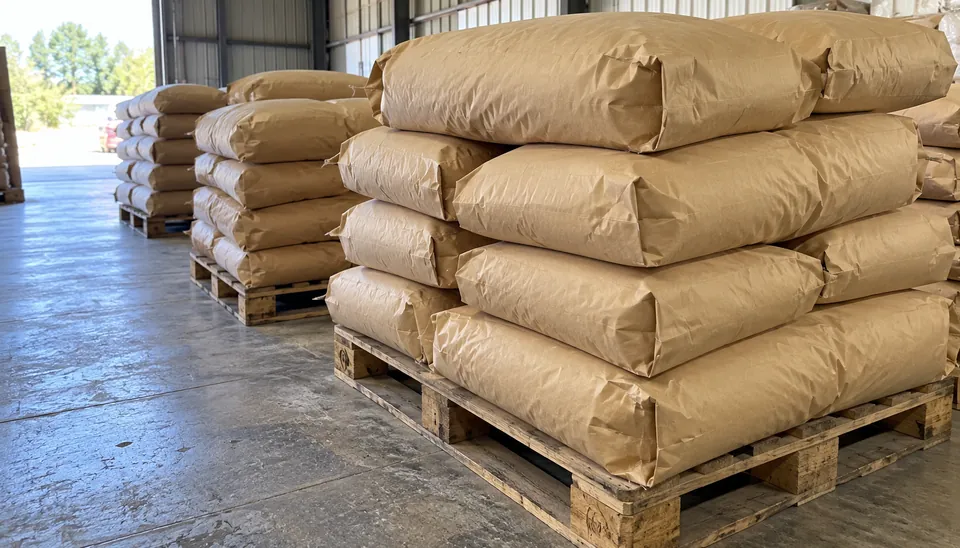
Follow the chosen product's storage instructions: keep sealed packs dry, protected from damage and moisture, and arrange pallets so batches remain identifiable. Confirm the stated shelf life and packaging suitability for the planned storage conditions. Before committing to volume, agree a sample or initial order suited to the trial and the supplier's current commercial terms.
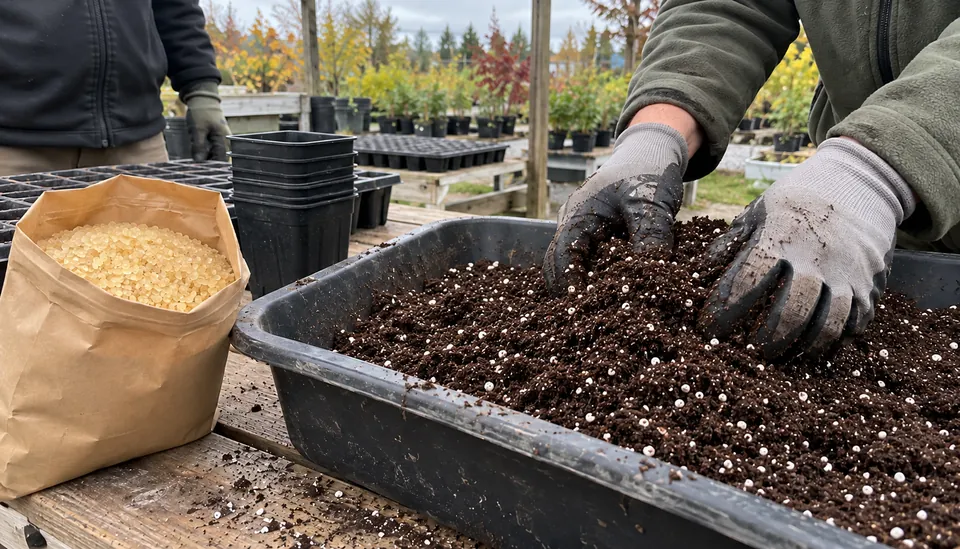
Give dealer staff the grade identity, intended uses, application instructions and the questions to collect from growers. A demonstration should record the product, amount, placement, water and plant response. Repeated absorption and release in the soil is different from collecting used granules for resale or reuse; stock forecasts should follow confirmed demand and the supported service-life information.
Send a brief that can become a dated plan
For a ZJFunder distributor programme, provide the destination port and inland destination, target warehouse month, customer applications, expected quantity, packaging and label requirements, and the status of local documents. We can then discuss suitable grades, samples, quotation terms and the milestones that need confirmation before an order is scheduled.