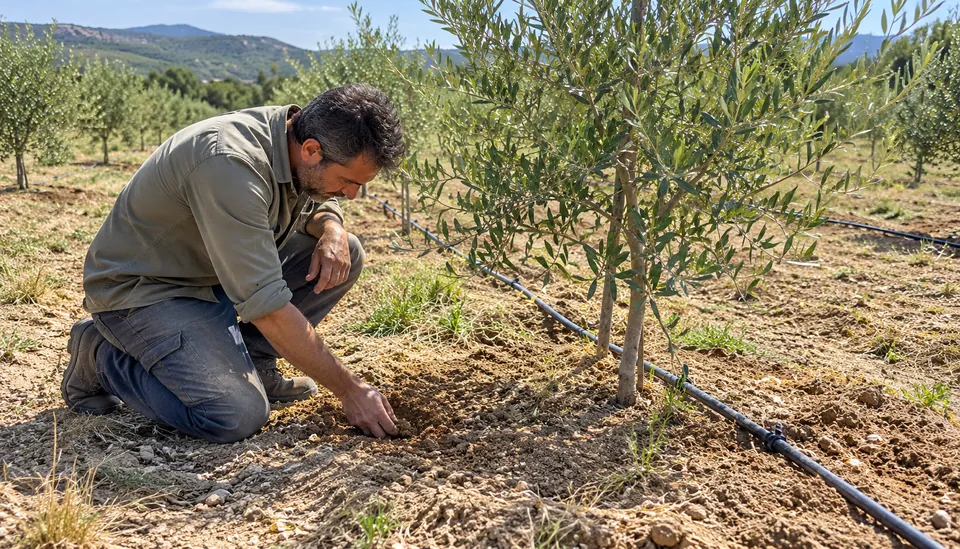
A distributor serving dryland farms needs a different SAP programme from a nursery supplying container plants. Begin with the local crop calendar, water source and way the material will reach the roots. The same product category can serve different markets, but the trial, handling and stocking plan must fit each one.
Define the local problem before choosing a grade
Separate a short dry interval after planting from poor infiltration, waterlogging or saline irrigation. A water-retention additive addresses a different part of management from drainage, soil structure improvement or irrigation equipment. Record soil texture, rooting depth, rainfall pattern and irrigation practice before deciding what to compare.
Dryland crops and Mediterranean-type horticulture
For semi-arid field crops, identify when establishment and later growth are exposed to rainfall gaps. Plan incorporation around land preparation and keep the existing residue, soil and irrigation management in the comparison. In orchards and vineyards, distinguish new planting from established rows: accessible soil, root distribution and drip layout determine whether a proposed placement is practical.
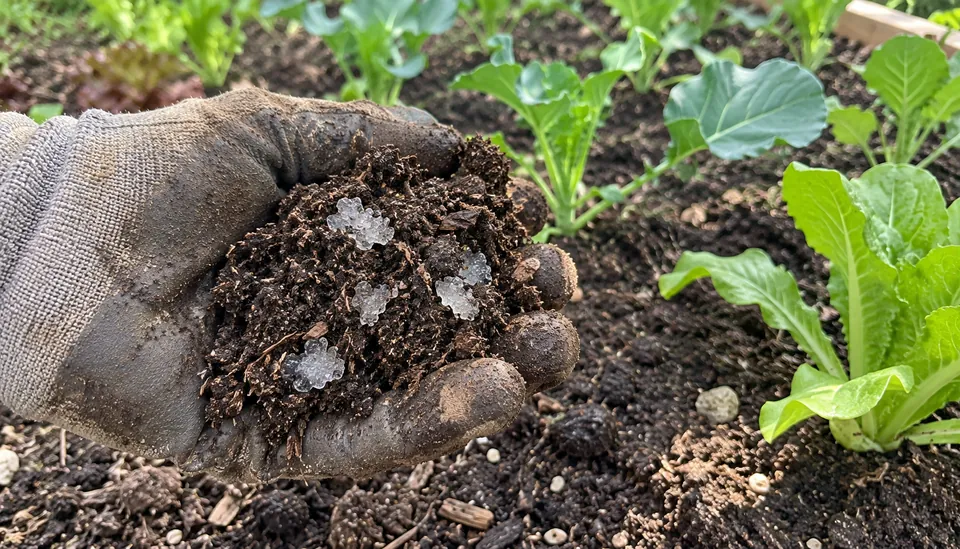
Seasonal tropical rainfall and land rehabilitation
Where intense rain alternates with a dry season, check infiltration, runoff and drainage as well as moisture retention. A retained-water treatment cannot compensate for a site where roots remain waterlogged. On degraded or salt-affected ground, include water quality and salinity management in the assessment. Choose a representative trial area rather than extrapolating from the climate label alone.
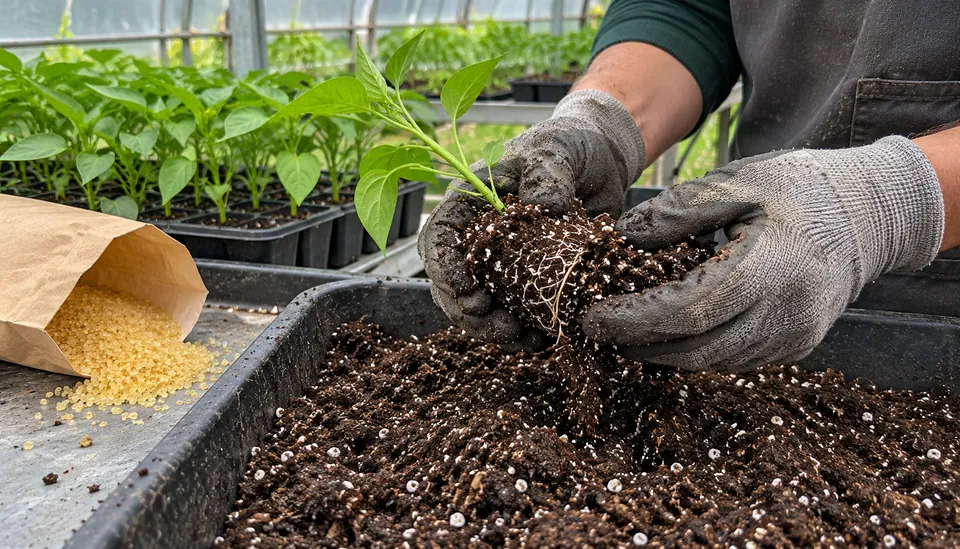
Protected crops, nurseries and forestry seedlings
In tunnels and greenhouses, match the test to the actual substrate and irrigation or fertigation solution. For nursery and forestry seedlings, follow the transition from the container to the planting site, including follow-up watering. Dry mixing, hydrated preparation and root dipping are separate application methods; select only a method supported for the chosen formulation and plant material.
Compare results on a common basis
Use comparable treated and untreated areas and record the batch, amount, placement, water delivered, labour and plant establishment or saleable output. Keep rainfall and management changes with the observations. Laboratory absorption is not a fixed field storage capacity, and repeated swelling in place is not a plan to recover granules from field soil after harvest.
Turn the regional brief into a supply plan
Group customers by crop calendar and application method, then agree sample requirements, packaging, local documentation and delivery windows for each group. Send ZJFunder your region, crop or use, soil or substrate, water source, placement equipment, target planting window and expected quantity. These details connect grade selection with a realistic trial and stocking discussion.