
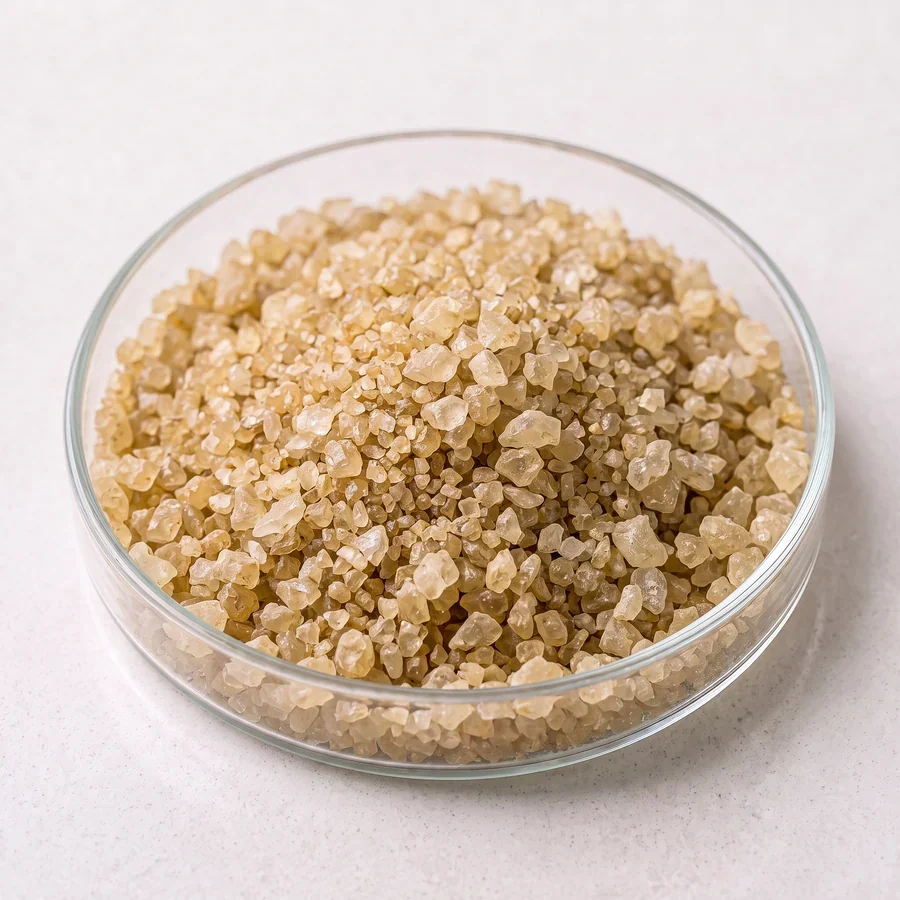
Coarse granules
FAD-SAP-03
1.0–2.5 mm · 25 kg
Potassium-based water-retaining granules for field crops, orchards and nurseries. Choose the grade around your crop, soil and irrigation water.
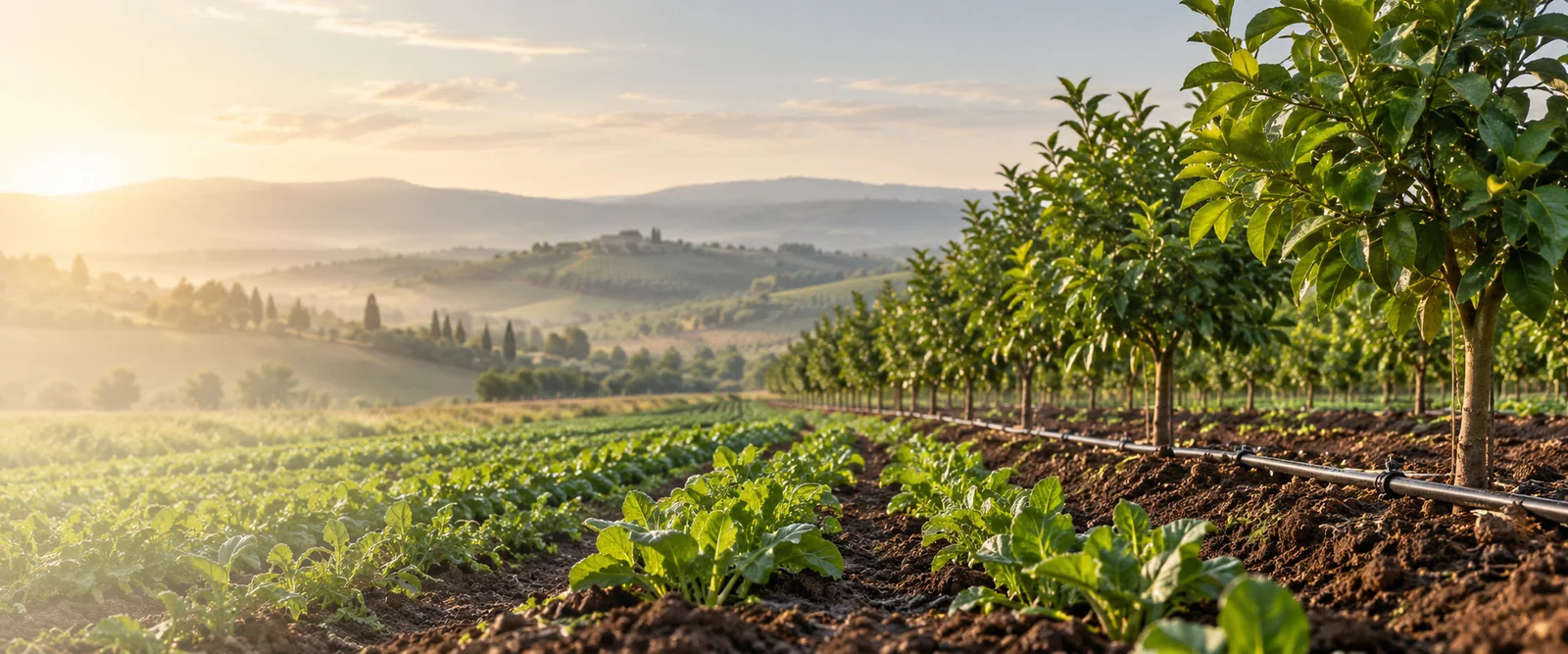
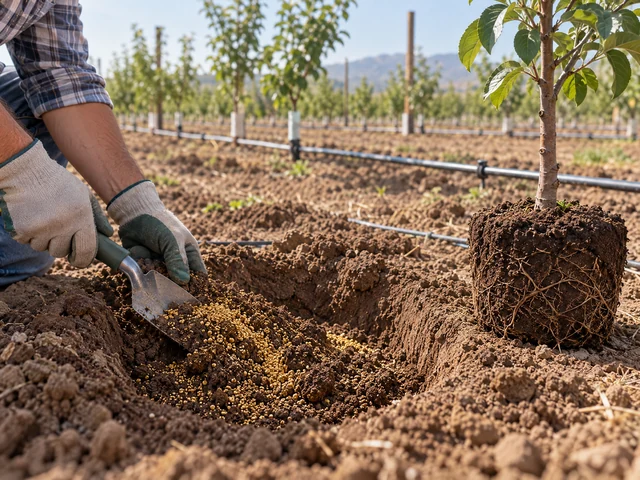
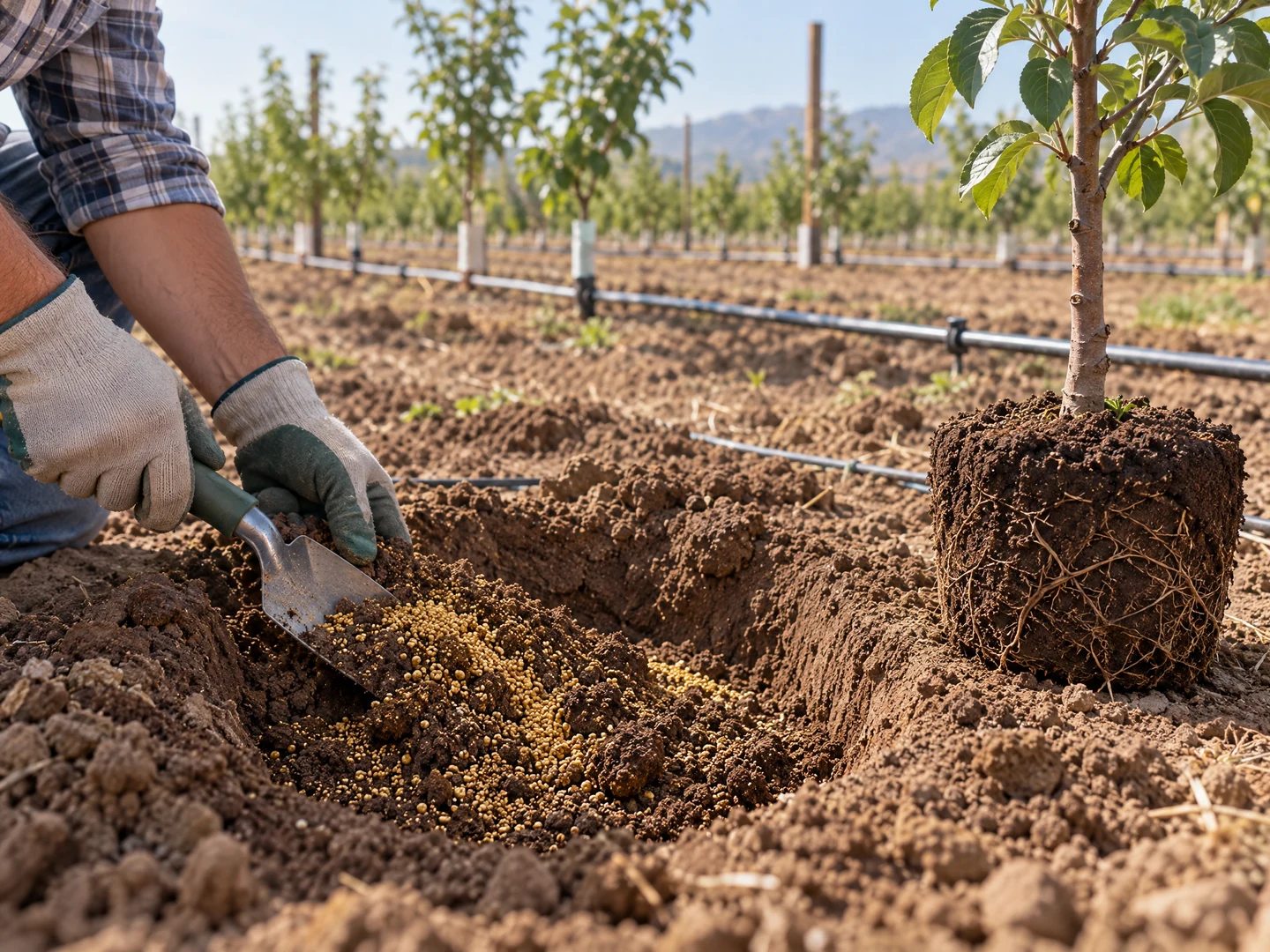
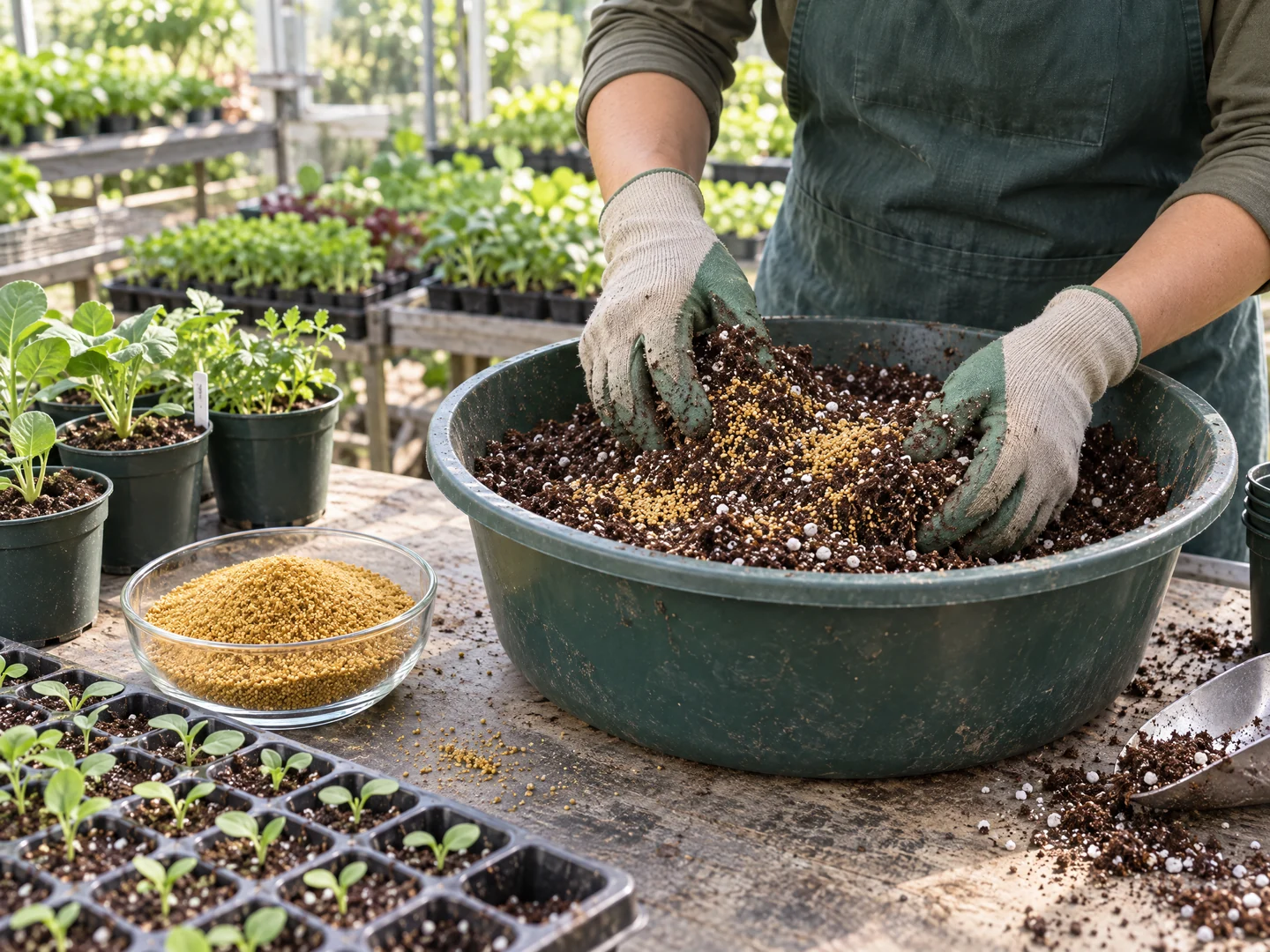
Distribute granules evenly in the effective root zone, then backfill and irrigate. Plan placement, mixing and subsequent watering together.
| Application | Placement & operation | Reference / selection factors |
|---|---|---|
| Field row crops | Furrow placement or incorporation during sowing at about 10–15 cm | Reference rate: 45–75 kg/ha (3–5 kg/mu) |
| Orchards & forestry | Place along the effective root zone or mix with planting-hole backfill | Match location and per-tree quantity to tree size, roots and soil |
| Nurseries & transplanting | Mix into the root-ball planting zone or intended root layer | Mix evenly, backfill and water |
| Containers & horticulture | Mix uniformly into the intended substrate layer | Check container volume, grade and room for swelling |
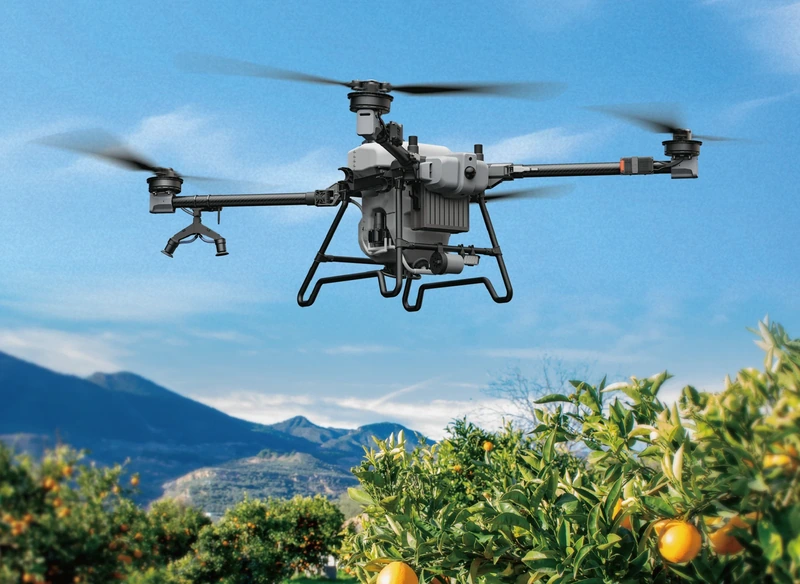
Adjust rates for crop, soil, water quality and grade. Before combining with fertilizer or spreading equipment, check compatibility, metering and mixing uniformity.
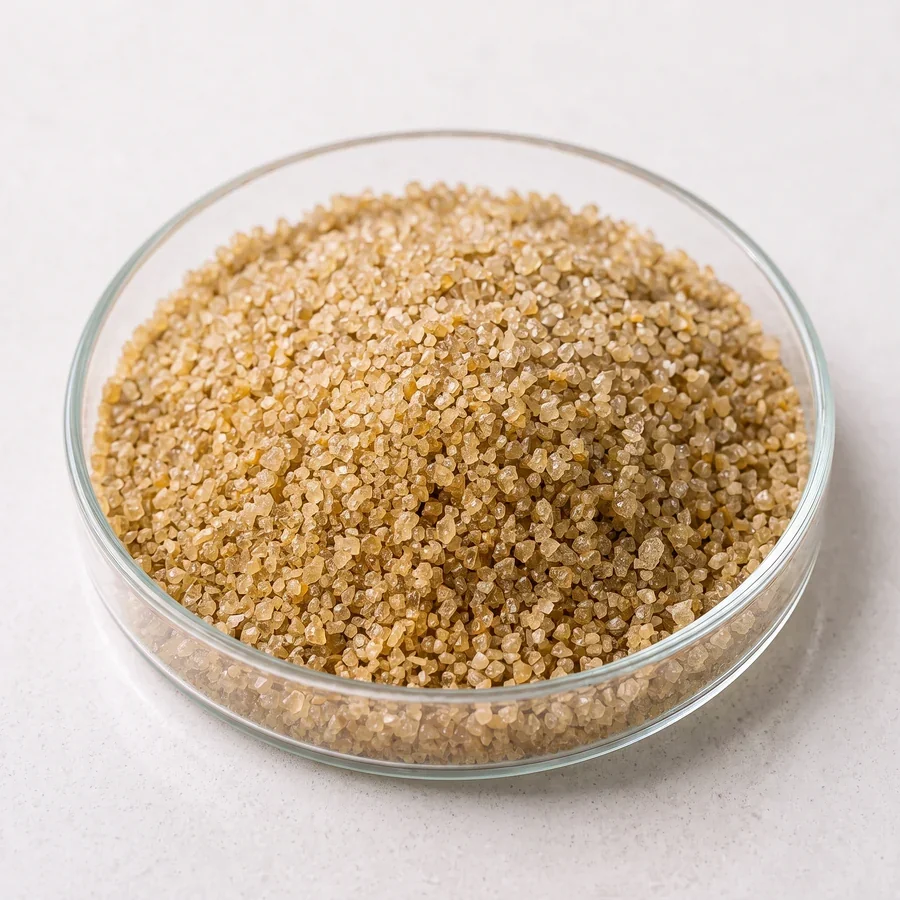
FAD-SAP-03
1.0–2.5 mm · 25 kg
FAD-SAP-01
0.8–1.0 mm · 25 kg
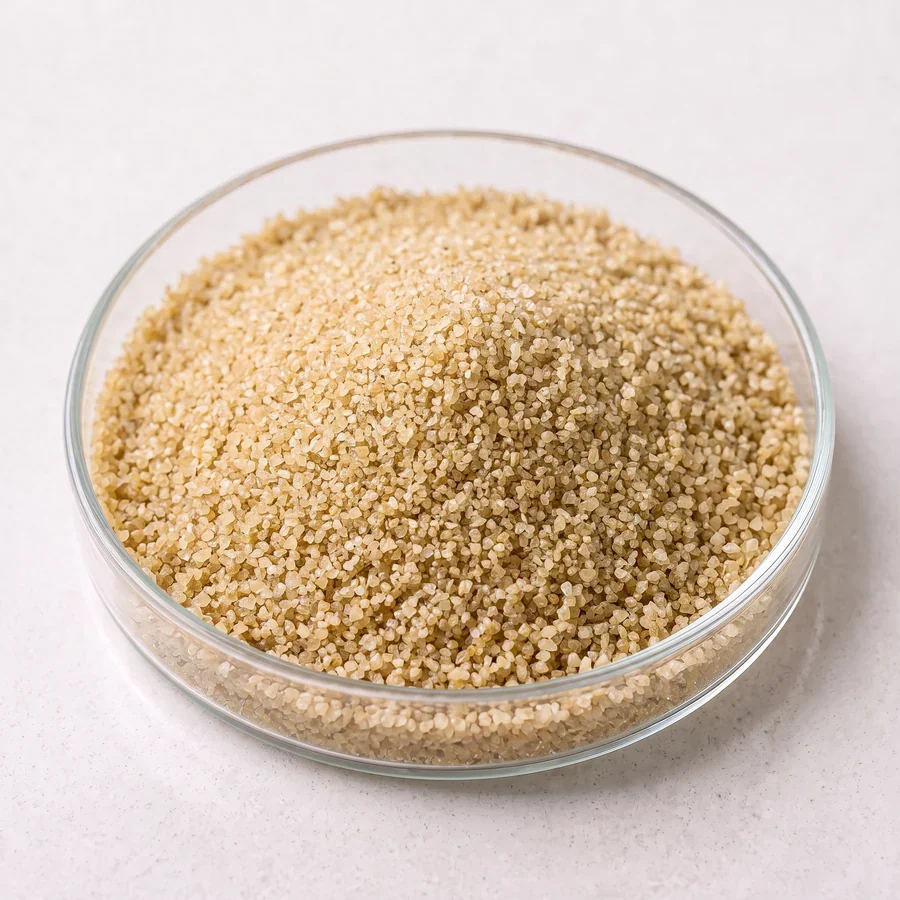
FAD-SAP-02
0.2–0.8 mm · 25 kg
| Pure-water absorption reference | 300–500 g/g |
|---|---|
| Absorption in 0.9% saline water | 60–100 g/g |
| Effective service period reference | Service duration depends on grade and application conditions; confirm the relevant evidence. |
Absorption depends on water quality; field performance and effective duration vary with soil and application conditions.
| Metric | How to read it | What it tells you |
|---|---|---|
| Absorption ratio · g/g | Mass of absorbed water ÷ dry material mass | Water-storage capacity under the same water quality and test duration |
| Absorption rate · g/(g·min) | Water absorbed per unit dry mass per unit time | Early uptake and time to reach a plateau |
| Cycle retention · % | Ratio at cycle N ÷ initial ratio ×100% | Performance of the same sample after wetting–drying cycles |
| Crop | Wheat |
|---|---|
| Trial period | 2018–2019 |
| Water saved | 60 m³ / mu |
| Average yield increase | 13.77% |
In 2018–2019 wheat field trials, average yield increased by 13.77% with irrigation water savings of 60 m³ per mu (1 mu ≈ 667 m²). Results relate to the trial’s cultivation and application conditions.
| Material | 120 USD |
|---|---|
| Allocated freight | 30 USD |
| Additional application labour & equipment | 50 USD |
| Total additional cost | 200 USD |
| Water & energy savings | 100 USD |
| Irrigation labour savings | 80 USD |
| Total cost savings | 180 USD |
Illustrative calculation in USD for the same area and season; assumed costs and savings, not a quotation or field measurement.
Without added crop contribution: 180 − 200 = −20 USD. With an additional 100 USD crop contribution, net of extra harvest and selling costs: 180 + 100 − 200 = 80 USD.
Published studies: materials, growing conditions and measured outcomes.
| Study & location | Design & materials | Reported outcome |
|---|---|---|
| Italy · 2025 Frioni et al. ↗ | Potted vines and a new rainfed vineyard; potassium polyacrylate hydrogel (SH1) and organic hydrogel (SH2) | Field shoot growth and final leaf area were about 25% higher in treated vines after two years. |
| Portugal · 2026 Victorino et al. ↗ | Two-year controlled pot study; potassium polyacrylate SAP (SOCO SDK205X) | Irrigated water productivity increased by 25.5% under well-watered and 30.0% under deficit conditions. |
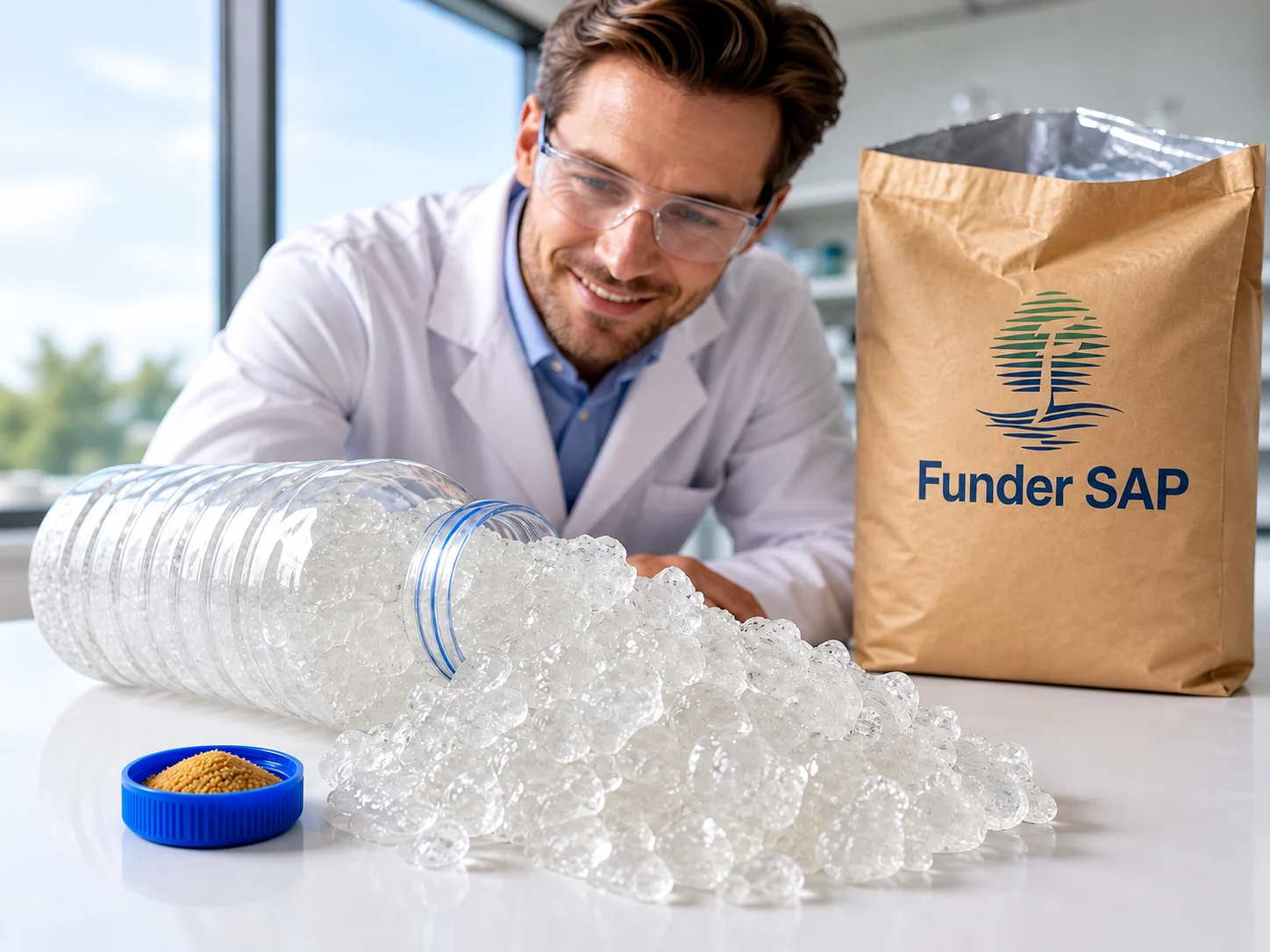
Potassium acrylate–acrylamide copolymer combined with natural attapulgite. Select the granule grade around the crop, soil or growing medium, irrigation water and placement method.
From rainfall and irrigation to moisture held close to the roots.
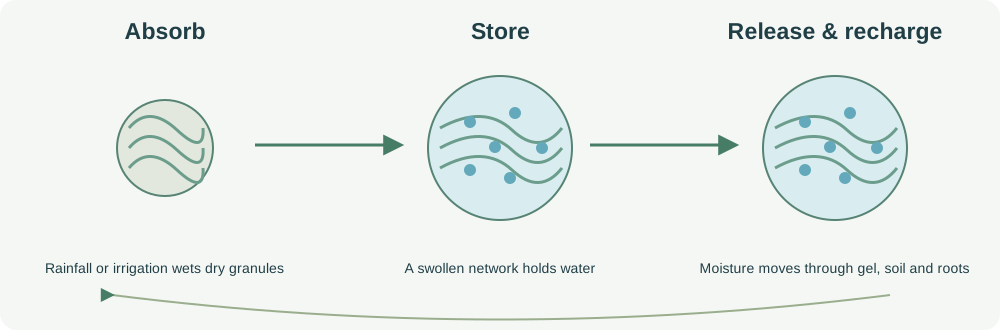
Dry granules take up water from rainfall or irrigation. The cross-linked polymer network expands into a hydrated gel.
Dispersed through the intended soil layer, the hydrated material stores water within its polymer network.
As water conditions change around the roots, retained moisture becomes available to the surrounding soil and plants. The material can absorb water again when rewetted.
Degradation mechanisms & publications →
A potassium-based hydrophilic polymer network is combined with attapulgite mineral, bringing together water storage and mineral-surface interactions.
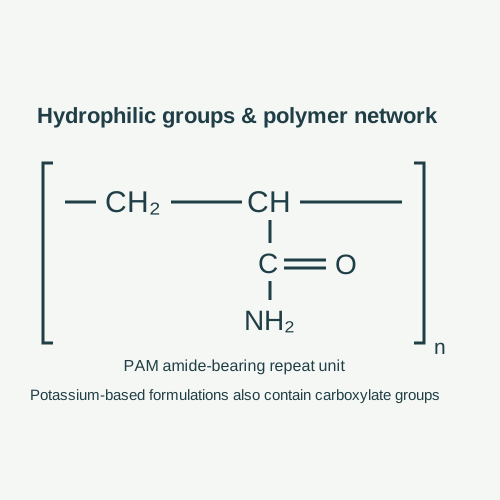
Amide and carboxylate groups interact with water. Crosslinking lets the granule swell into a gel and store and release moisture through repeated wetting and drying.
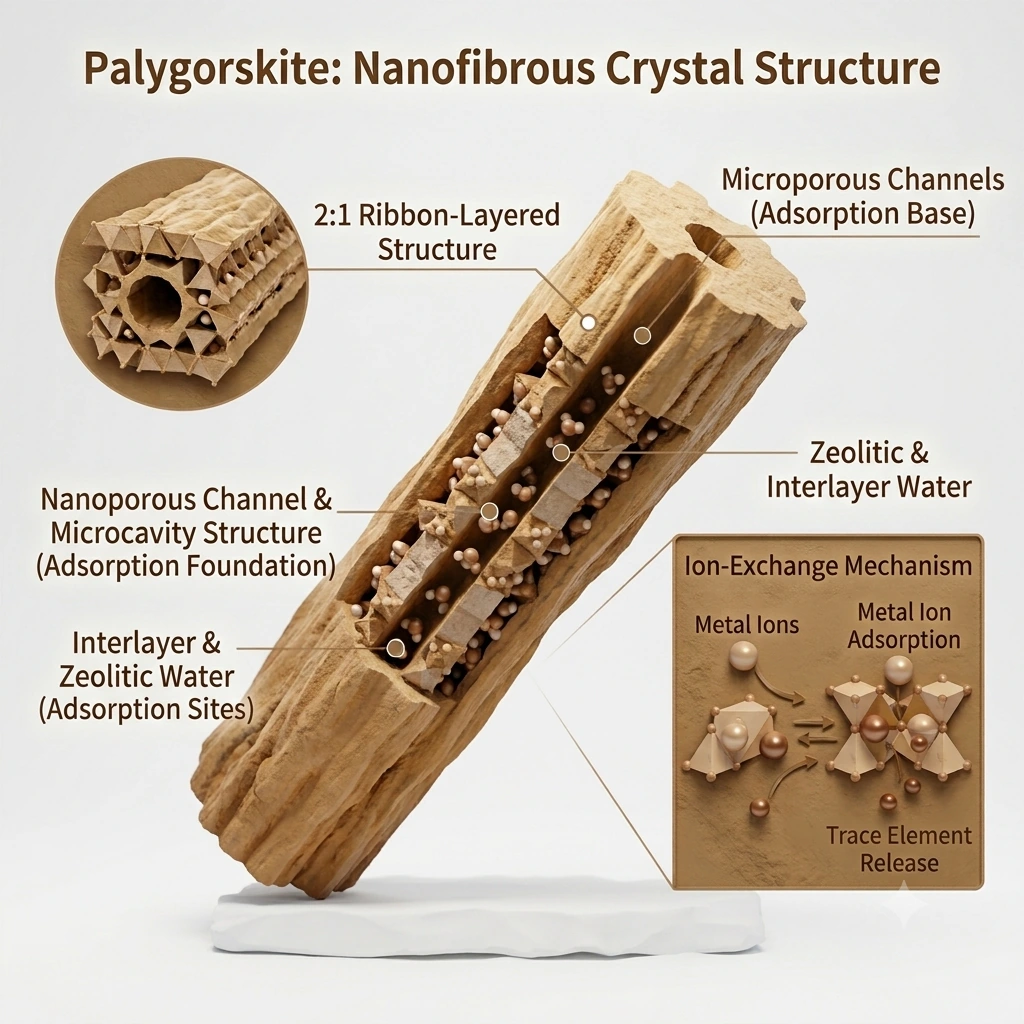
Attapulgite has fibrous crystals, channels and adsorption sites. Together with the polymer network, it forms an organic–inorganic composite that influences swelling, water retention and material structure.
Polymer and mineral components follow different pathways. Wetting and drying, temperature, oxygen and soil microorganisms influence changes after use.
PAM amide groups can undergo hydrolysis or biological transformation. This differs from complete breakdown of the carbon backbone. [1]
Oxidation, light or biological activity can shorten polymer chains, changing network structure and water absorption. [2]
Some products can undergo further microbial use or mineralization; attapulgite remains an inorganic mineral component. [2]
Functional service life describes how long water-retention performance persists; it is different from the time required for complete polymer mineralization.
Microbial degradation of polyacrylamide and the deamination product polyacrylate
Distinguishes amide deamination from carbon-backbone degradation and reviews bacterial and fungal pathways.
International Biodeterioration & Biodegradation 139, 24–33
Original study ↗DOI: 10.1016/j.ibiod.2019.02.005Degradation of acrylic copolymers by white-rot fungi
Culture experiments distinguish molecular-weight reduction and depolymerization from complete mineralization.
Applied Microbiology and Biotechnology 65, 479–487
Original study ↗DOI: 10.1007/s00253-004-1668-5Superabsorbent Hydrogels in the Agriculture and Reclamation of Degraded Areas
Reviews agricultural hydrogel composition, degradation in soil and application conditions.
Sustainability 16(7), 2945
Original study ↗DOI: 10.3390/su16072945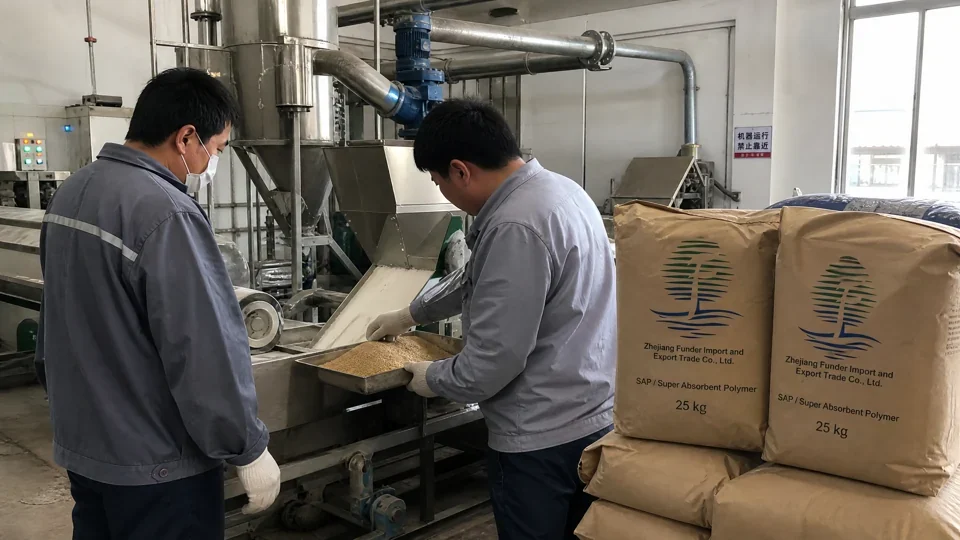
Granule processing and packing scene.
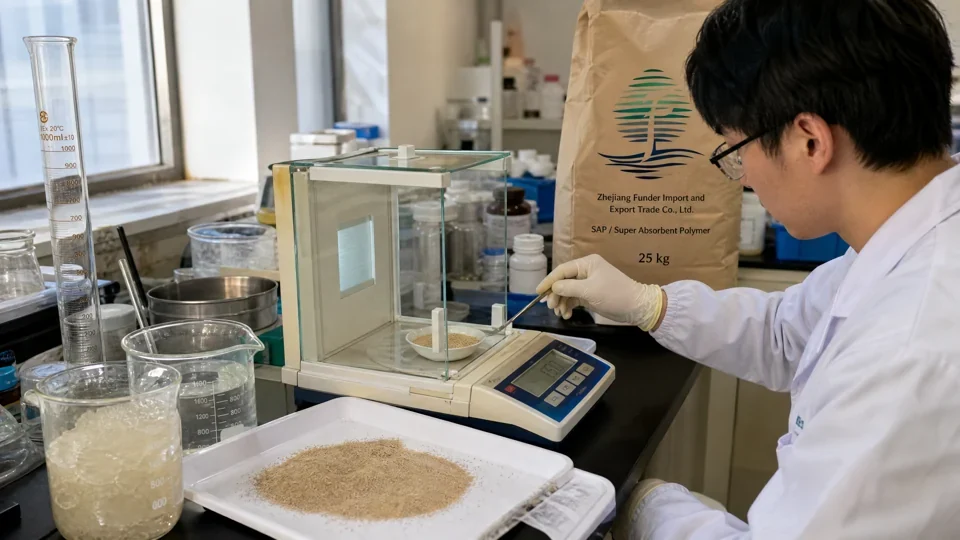
Sample preparation and laboratory testing scene.
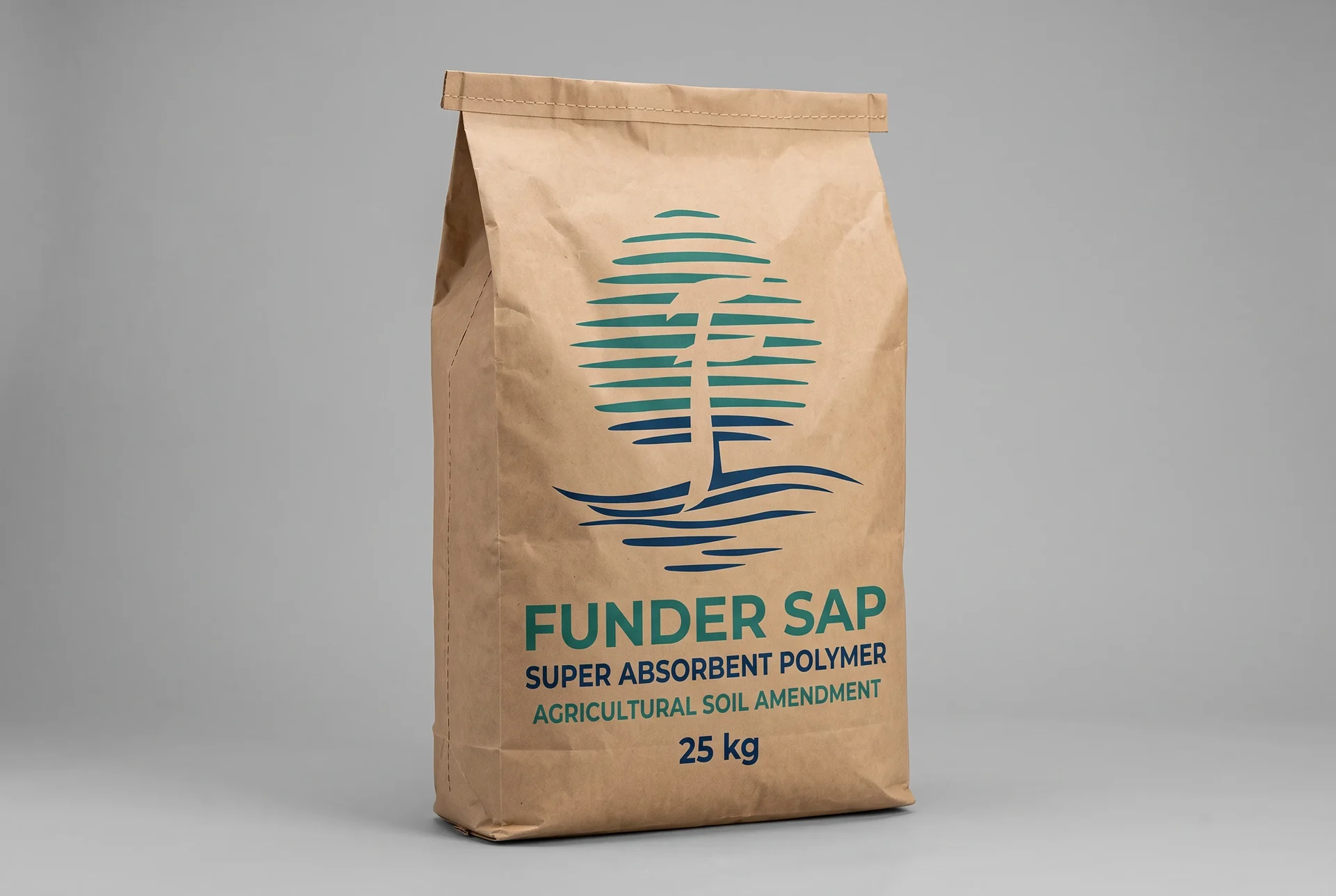
Agree pack weight, lining, marking and storage instructions for the order.

Confirm pallet arrangement, freight conditions and required documents.
| Minimum order & sample | Standard orders: 500 kg, equivalent to 20 standard 25 kg bags. A 20 g sample may be supplied free of material charge; postage is paid by the customer. Custom grades and packaging are quoted separately. |
|---|---|
| Quotation & payment | FOB preferred; CIF and factory-gate pricing can be discussed. A 30% deposit is generally proposed, with the balance before delivery or collection. Port, fees, currency, validity and dispatch date are agreed per order. |
English product information is available below. Use the stated model and revision when preparing an enquiry.
For an application enquiry, share the crop, soil or substrate, water source and placement method. For distribution, add the target market, expected quantity, packaging and required arrival window.